Car Care Research Guide

Car care: waxes
Waxes: an in-depth look

Different WaxesAfter washing your car, using clay to remove contaminants, spot-treating problem areas and scratches, and doing a full polish, you've put a huge amount of effort into the condition of your ride. Next comes the step where all of the hard work pays off: waxing.

But which wax is going to protect your paint best? Which one offers the deepest shine? Is the expensive jar of wax any better than the name-brand bottle at the grocery store? And, most importantly, which one is best for your ride? It all depends on the contents of the wax and what matters most to you.

Wax contents

Everybody has a different level of love and involvement with their vehicle finish. This pattern is reflected in the huge array of waxes available on the market. However, each car wax falls into one of two categories: natural waxes, which are most often made from carnauba, and synthetic waxes, also known as sealers.

In general, natural waxes provide the deepest, most desirable shine enthusiasts crave. They require some TLC, and a few extra bucks, but the results are flat out stunning. If pure finish sheen is what you're after, there's no other way to go.

Synthetics come with two big benefits: they're easier to apply and protect longer. They may not have the same deep shine and color character of natural waxes, but they still leave you with an impressive finish that's ready to combat the elements.

An overview of carnauba wax

You've probably heard of carnauba wax before. Most highly regarded vehicle waxes are crafted with some level of carnauba in the formula, along with oils and natural substances. Carnauba wax is also the choice material at automatic car washes using a spray-on waxing cycle.

Carnauba wax is also the wax of choice among professionals and enthusiasts alike, though in a vastly different form than the automatic wash uses. Liquid or paste carnauba wax produces an unmistakable shine with incredible depth that synthetic waxes just can't match.

Where carnauba wax comes from
Carnauba Palm Trees are found in BrazilCarnauba wax is a rare and natural phenomenon, and a true product of its harsh native environment. The wax is harvested from the leaves of carnauba palm trees found only in the harshest areas of Brazil, and known locally as "the tree of life."

To withstand the rigors of extreme heat and humidity, the carnauba palm excretes a waxy coating over its leaves. This substance is comprised primarily of fatty acids, and forms a clear, glossy coating that repels water yet remains breathable. It's these clear, glossy properties of pure Carnauba, combined with its natural ability to combat the tropical sunshine, that makes it a durable wax for a variety of uses—including automotive protection.

To harvest the carnauba wax, carnauba palm leaves are cut from the tree and dried. Once dried, the wax coat becomes flaky and colored, ranging from pale yellow to brown. The wax is removed either by hand, which involves beating the leaves to dislodge the flakes, or by machine, where the leaves are shredded and the wax layer is removed.

With the wax flakes now removed from the leaf, the harvest is melted down and reformed into large blocks of like-color pure carnauba wax. The wax blocks are then combined with a variety of natural oils to create carnauba car wax.

Carnauba types
Carnauba wax is grouped by color types, ranging from browns to yellow carnauba to ultra-refined white carnauba. The color of the wax directly relates to both the age of the tree from which the wax was harvested, and the care taken in the removal process. The lighter the carnauba wax, the rarer and better performing it will be.

Brown carnauba wax
The most common carnauba color, brown carnauba exudes the properties of carnauba wax but is harder to refine and work with than lighter colors.
Yellow carnauba wax
Yellow carnauba is a rare wax produced only under optimum conditions. The best wax in this class, yellow #1 carnauba, helped earn the nickname "the queen of waxes" for all carnauba. This is the purest, most valued carnauba wax produced naturally.
White carnauba wax
Pale carnauba wax that's lighter than yellow #1 carnauba is only produced synthetically. This includes the rarest of all carnauba wax—pure white. This super-refined white carnauba is wax at its purest form, creating the deepest possible shine and improved ease of use.
Properties of carnauba wax

Because it naturally thrives in the harshest of environments, carnauba wax is the hardest and most protective non-synthetic wax. It has an unsurpassed combination of shine, depth and durability, plus the ability to withstand extreme temperatures.

Pure carnauba wax is too hard to use on your vehicle. That's why carnauba car wax has only a percentage of carnauba contained in the mixture. The higher the content of carnauba, combined with the rarity of the carnauba color, define the value of the wax. Generally, these waxes can't have higher carnauba content than 30%. Any more would be too hard and difficult to apply to your paint.

Some waxes boast "100% carnauba wax" on their packaging, which simply isn't possible. These refer to the wax included in the product as being 100% carnauba, usually meaning #1 yellow or white carnauba for its purity.

Check this out

Other uses for carnauba wax

Relatives of carnauba car wax are used for a variety of products, many of which you've probably used—or even swallowed. These include candy gloss coatings, pill capsules, shoe polish, paper coatings and furniture finishes.

Longevity of carnauba wax

A fresh carnauba wax job sports unmatched shine characteristics that last. Because it's a natural wax, though, each carnauba wax coat lasts a maximum of 6 to 8 weeks, depending on conditions. After this period, a new layer must be applied to retain the carnauba protective properties and shine.

Criticisms of carnauba wax

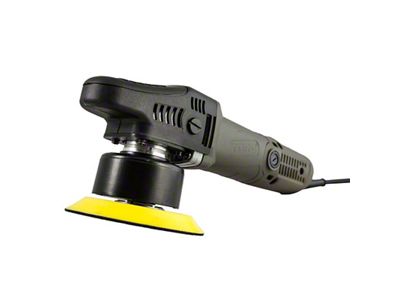
Carnauba wax can be a chore to apply and buff onto your paint. Liquid carnauba waxes are easier to use, but they contain significantly less carnauba than paste waxes. Both are difficult to buff to the highest level of shine, which typically requires an automatic polisher to achieve.

Longevity is another concern of carnauba waxes. Reapplication is usually necessary within 6-8 weeks, depending on weather conditions and which carnauba wax you used (liquids with lower carnauba content tend to last 6 weeks, paste waxes can last longer). Those who don't want to wax that often or pay that much attention to their vehicle would be better off with a synthetic wax.

Extreme heat—such as desert conditions—can also be a concern for carnauba wax. If the right factors converge (dark car, bright sun, searing dry heat), carnauba wax finishes will become brittle and streak, requiring re-waxing of the affected areas. These instances are rare.

A guide to synthetic waxes and sealers

Synthetics are readily availableCheaper car waxes, like those readily found at grocery and mega-marts, are usually of the synthetic variety. They contain little if any natural wax in the mixture, relying instead on man-made formulas for their protective properties and shine. Synthetic waxes come in liquid, paste, and now spray forms.

Contents of synthetic waxes

Seeking to make a more durable, longer-lasting protective shine than natural waxes can provide, finish experts and laboratories teamed up to produce synthetic formulas. Also known as sealers, these synthetic waxes are engineered to repel water and shield against UV damage with the same zest as a thick coat of carnauba wax.

Synthetic waxes and sealers employ a combination of polymers and acrylic resins to protect your paint. These lengthy molecule chains link together, creating a seamless layer over your paint. The bond between the polymer and acrylic molecules produces a glass-like shine layer over the factory finish. That same attribute of synthetic waxes make for a shine that appears to sit on top of your paint, unlike the look of carnauba wax finishes that give your paint a deep, rich look.

Properties of synthetic wax

Synthetic waxes and sealers are, without question, the easiest shine and protective products to apply, use and maintain. Most synthetic waxes come in a liquid form, which is the easiest wax type to put on your finish and buff out. Because of their slick and durable properties, these polymer-based waxes form their shine without much effort required to buff the dry wax.

The outstanding feature of synthetic wax is the longevity of each coat. Unlike its natural wax counterpart with a 6-8 week lifespan, synthetic wax gives your vehicle a cool 6-9 months of protection. That means you can apply a new layer when the first leaves sprout in the spring and not have to worry about your wax at least until football kicks off.

The tradeoff for this kind of durable protection is shine quality. There's no comparison between a carnauba wax finish and a synthetic wax or sealer finish—the carnauba wins on looks and depth of shine every time. But, the synthetic shine isn't too shabby and lasts considerably longer. If you're willing to make the trade of some shine depth for less maintenance, a synthetic wax is the right product for you.

Criticisms of synthetic waxes and sealers

The main criticism of synthetic wax is the shine properties, specifically the lack of depth. Application is easy and the protection lasts longer than any other products, but science just hasn't found a synthetic wax that can match the look of natural waxes, especially carnauba.

Synthetic waxes sit like a glass sheet over your paint. Because there's no depth to their shine, the reflective qualities aren't as pleasing to the eye. Dark paint finishes—especially black—suffer almost a dulling of the color underneath a synthetic wax coating. Instead of giving off a brilliant display of color, dark colors show a milky finish.

Synthetic wax coats and sealants also do less to conceal paint blemishes than natural waxes. Swirl marks are much more readily visible with synthetic wax, as the polymer layers mimic the swirl pattern in the paint. And, because it's a thinner wax coat than carnauba, new swirl marks are easier to impress in your paint.