
Shop Exhaust By Vehicle: F150, F250, RAM 1500, RAM 2500, RAM 3500, Ford Ranger, GMC Sierra, Sierra 2500, Chevy Silverado, Silverado 2500, Silverado 3500
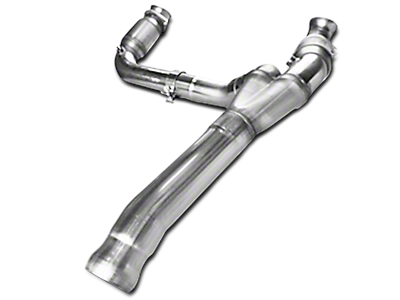
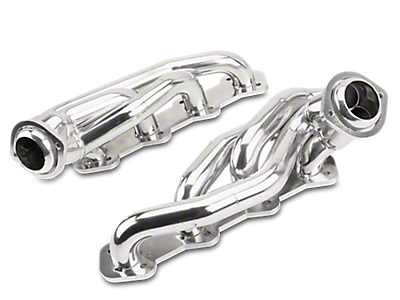
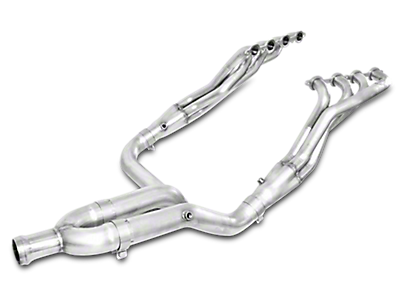
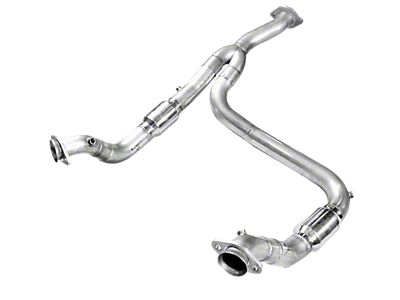
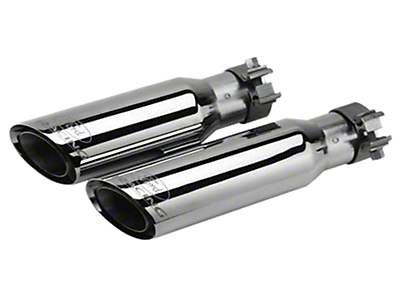
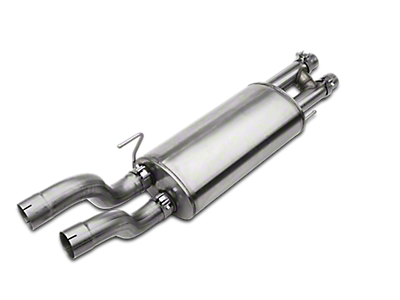
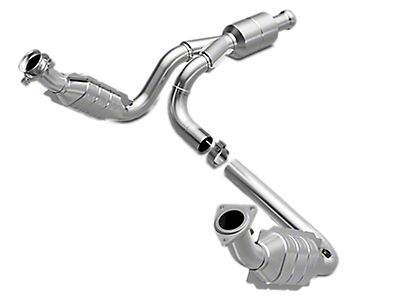
In order for your truck’s engine to operate at an optimum level, the exhaust needs to be in good shape. Even though it’s in the tail end of the combustion cycle, the truck exhaust ensures that all the harmful emissions are directed away from your vehicle. Not only does this increase your pickup’s horsepower and torque gains, but it also reduces air pollution by filtering the exhaust gases released by your truck. If you’re looking for an exhaust system to replace your damaged unit, or a component that can enhance your existing exhaust’s performance, AmericanTrucks has what you need. AmericanTrucks is your trusted partner when it comes to all things trucks. When you check out our website, you can easily find a truck exhaust part that fits your vehicle’s application and your budget. We carry a variety of items that are designed to improve your pickup’s performance. We also have components that are built and tuned to change the exhaust sound of your vehicle. The items in our truck exhaust category include high-quality catalytic converters, downpipes, headers, mufflers, and exhaust tips. What’s more, we offer other truck exhaust accessories if you’re interested in enhancing your truck’s gas expelling capabilities even further. We at AmericanTrucks pride ourselves in providing you with only the best and latest truck products on the market. All of the items on our website is made by a trusted manufacturer, so you can rest assured that the parts you’re buying has the durability and longevity to keep up with your truck’s heavy-duty applications. For more details regarding our products, promos, and deals, visit our contact page and give us a call or send us an email today.
Boost the performance of your ride, change its sound and help it last longer by investing in a high-quality truck exhaust upgrade. Your truck’s exhaust system is responsible for removing the waste fumes that are produced by the engine as it runs. The better your exhaust system is, the more capable your truck’s engine will run overall. That means you can make your truck more powerful and effective by investing in the right exhaust kit components. You can also change the sound of your truck by swapping the muffler that it comes with, and you can change the look of your truck with new exhaust tips. We also recommend upgrading the cold air intake in your truck to boost power even more when upgrading your truck’s exhaust. There are many upgrade parts you can get from American Trucks, and it helps to know what improvements you want to make to your ride so you can get the right parts.
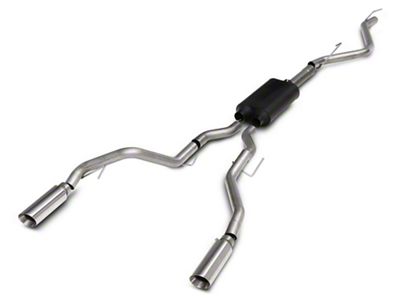
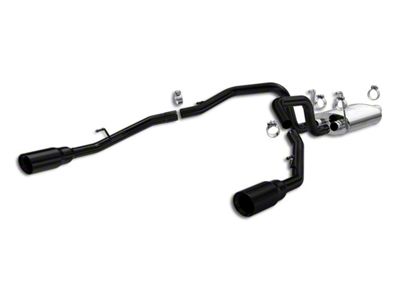
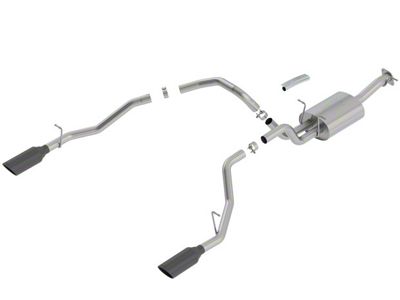
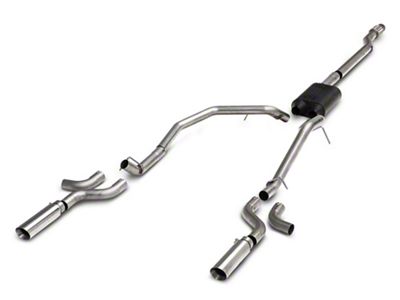
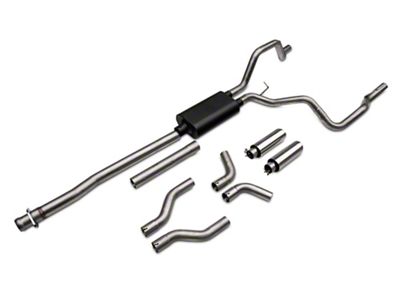
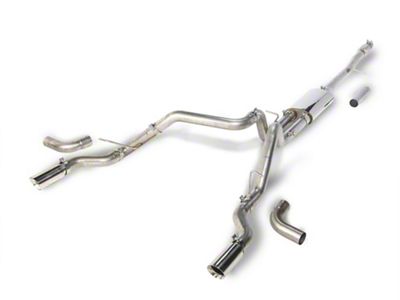
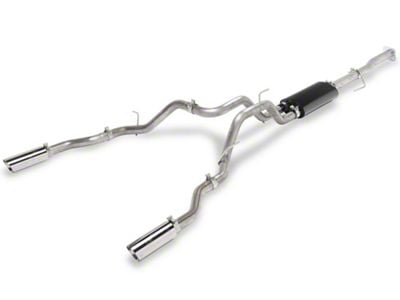
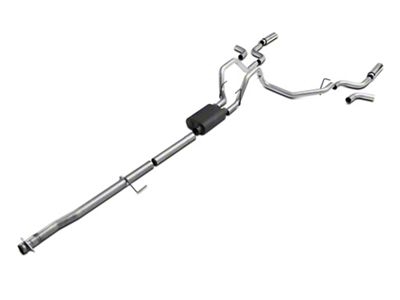
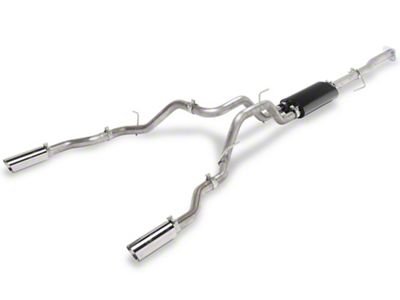
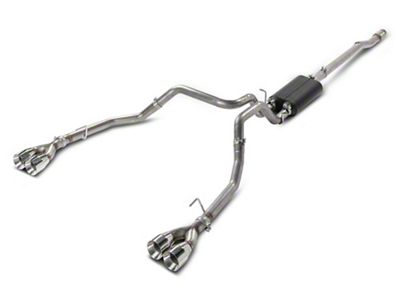
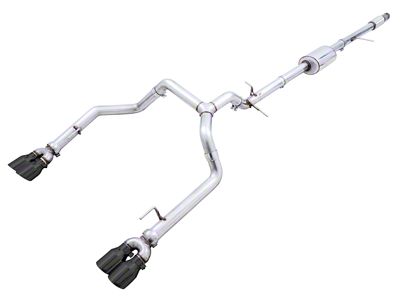
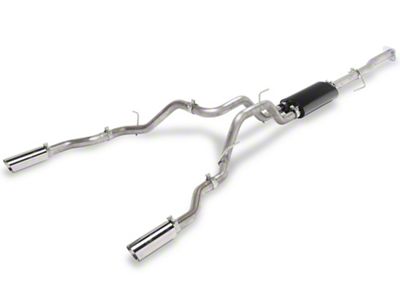
Dual Exhaust Kit for Trucks
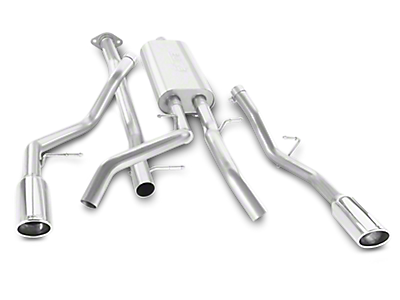
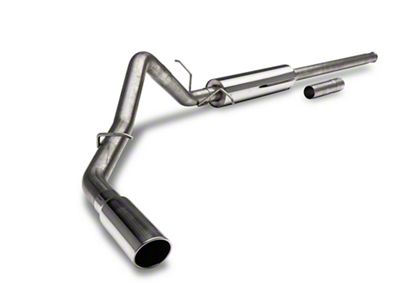
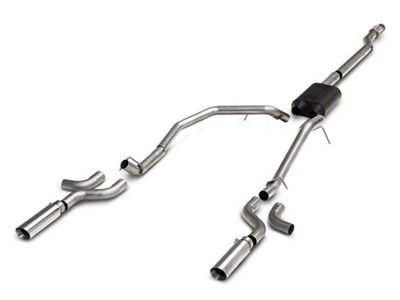
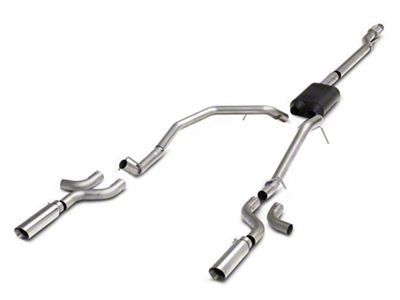
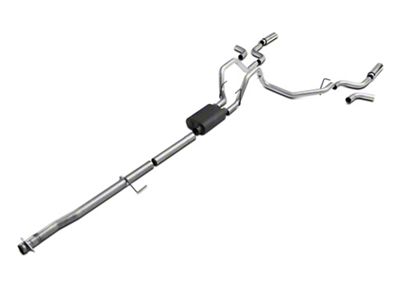
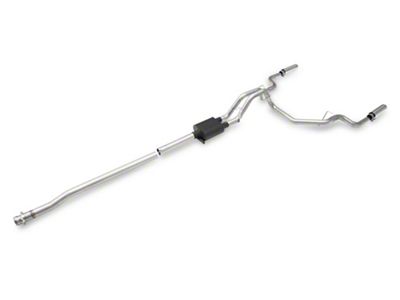
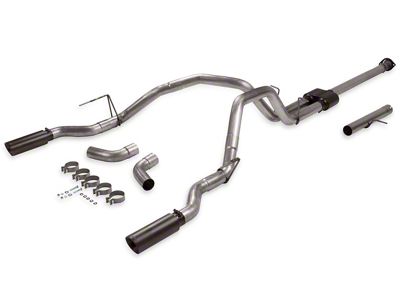
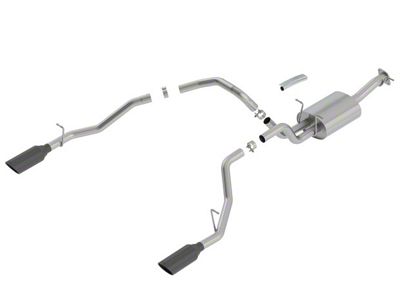
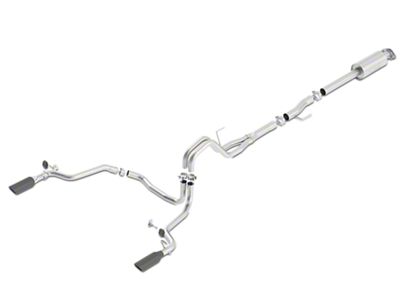
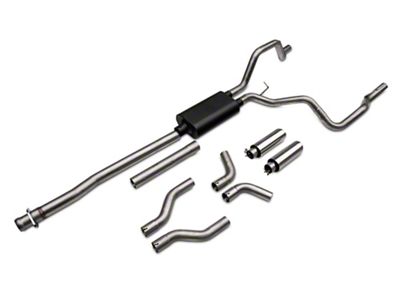
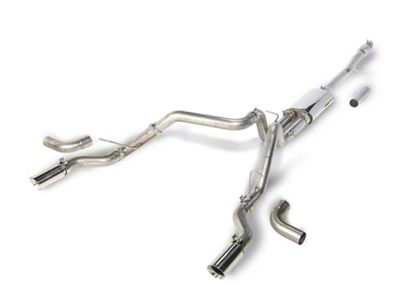
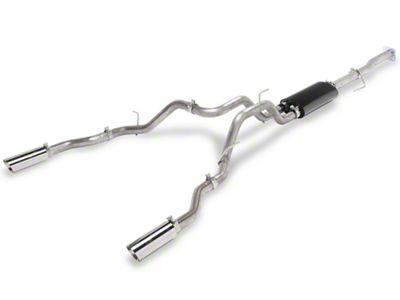
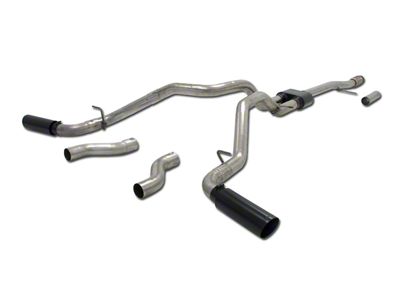
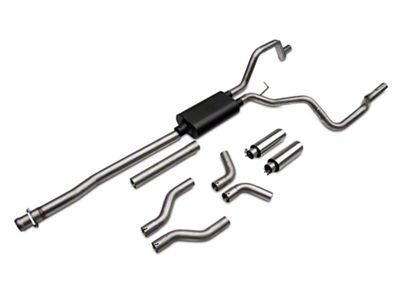
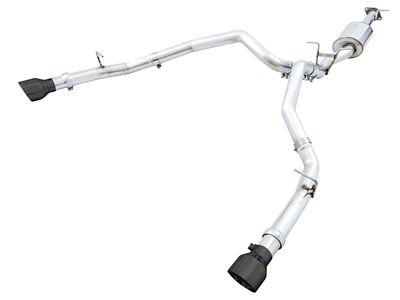
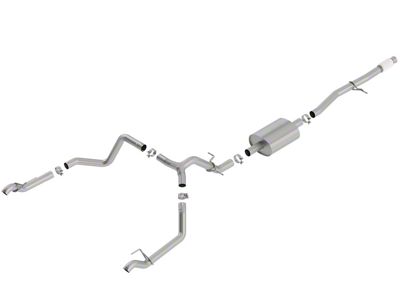
Many modern trucks today have a dual exhaust system that allows exhaust gases to flow faster and more efficiently than ever. This allows the oversized engine in your pickup to perform at the highest level and gives you a more efficient vehicle overall. If you have a truck that utilizes a dual exhaust system, you’ll want to look at a dual exhaust kit for trucks that you can use as an upgrade. These kits often include the headers, exhaust pipes, downpipes, mufflers, and tips for your truck. Upgrade your truck exhaust and:
- give your pickup a new sound
- enhance your truck performance
- improve the style of your ride
- enhance the durability of your pickup
You can opt to replace your truck’s entire exhaust system, or you can swap out individual parts to change certain aspects of your truck. For instance, if you just want your truck to look different, you can invest in exhaust tips while leaving the rest of your exhaust kit the same. You’ll change the way your pickup looks with a new set of tips, and you won’t have to spend much time or money making this simple change. If you want your pickup to sound more aggressive, you can often just change the muffler on your ride to give it a new tone. If you’re searching for different ways to enhance the performance of your truck besides for an improved exhaust system, you should consider Ford F-150 throttle bodies as well as tuners. These improvement parts enhance the way your truck handles while being simple for you to install.
Custom Truck Exhaust Systems
Adding custom truck exhaust systems to your vehicle is a simple way for you to change different performance characteristics of your truck. You can make it more powerful or change the tone of your truck with the right parts. You can also enhance the durability of your pickup by investing in high-quality exhaust components. By swapping from standard steel exhaust pipes to something like stainless steel or aluminum, you can protect against corrosion and make your system last far longer. There are so many different types of exhaust components for you to choose from that you must know what improvements you want to make to your truck before you make any sort of investment. Upgrading your truck is the best way for you to make it perform and handle the way you want it to. Consider the many different parts you can get for your ride and invest in the parts that make your truck perform the way you want it to. Many truck owners invest in Ford F-150 tuners to change the performance of their rides fast and with minimal effort. There are many other parts you can add to your truck as well, and you’ll have to consider the options to find what works best for you. As long as you understand how you want to improve your pickup, you can make the right changes and enjoy the benefits almost immediately.