From bike racks to heavy 5th wheel trailers, turning your vehicle into the ultimate hauling machine requires the right tools and know-how. If you're looking to beef up your knowledge or just get some quick tips check out these sections:
When it comes to selecting the right hitch, a lot rests on what kind of vehicle you are looking to tow with. If you are adding a receiver hitch to a compact car in order to use a bike rack your options are going to be significantly different than someone looking to add a heavy-duty hitch to their diesel truck.
Your vehicle's owners manual should tell you the GTW and TW that your vehicle can safely tow. The chart below gives a general idea of the weight of different types of trailers. Remember, this chart lists the weight of the trailer alone. You will also need to add the weight of any cargo that you load into the trailer.
In some cases, such as small passenger cars, there may only be one class of hitch available. If you have a truck or SUV with more than one trailer hitch option, look at the maximum GTW for each hitch and compare that to the weight of what you would like to pull. Because it is important to never exceed the GTW of any component in your towing system, it is best to choose a receiver hitch with a GTW that exceeds your needs. If, however, you plan on only using the hitch for attaching a bike rack, then the receiver hitch with the smaller GTW should be fine. The diagram below demonstrates what classes of hitches are available for various vehicle sizes and the approximate trailer size they accommodate.
If you have decided to install your trailer hitch on your vehicle, these tips will help to make the process go as smoothly as possible. Keep in mind that your specific installation is going to be different. Carefully reading the instructions that are in included with your hitch is the best thing you can do to ensure an easy and hassle-free installation. To get a better idea of what's in store, check out these installation instructions for a late model Chevy Silverado.
Slowing down your rig is undoubtedly a big concern when you're towing. Depending on the state that you are towing in and the size of load, you may or may not be required to have brakes on your trailer. For this reason, it is important to look into the towing laws before you hit the roads.
Most smaller trailers can be controlled using your vehicles brakes, but larger trailers will have their own set of brakes that you can control using a brake controller.
A brake controller activates the brakes on your trailer; there are several different kinds that use different methods to determine when and how strongly to activate the brakes. To choose the right one you will need to consider the size of your trailer, how frequently you will be towing, how far you will be going and what kind of brakes your trailer has.
Timed Brake Controllers: These are the simplest and usually the lowest cost option when it comes to brake controllers. Timed brake controllers use time-based circuitry to gradually increase the amount of pressure on the trailer brakes the longer the pedal is depressed. These controllers are generally used for smaller trailers and on shorter hauls.
Inertia Brake Controllers: An internal sensor in the inertia brake controller senses the deceleration of the tow vehicle and activates the trailers brakes. These controllers have an internal sensor that is attached to an external pendulum. An inertia brake controller measures the amount of deceleration in the tow vehicle and applies a proportional amount of power to the trailer brakes.
Proportional/ Accelerometer Brake Controllers: This controller delivers the most responsive braking power. It responds to your brake pedal and delivers the same amount of force to your trailer brakes. Perfect for longer trips and larger trailers, proportional brake controllers are the Einstein's of the brake controller world.
It is important to carefully examine your options and pick the brake controller that is right for your trailer, tow vehicle and needs. Also, once you have chosen a controller and installed it, practice driving around slowly to get a feel for how it will react.
Connecting your vehicle to your trailer goes beyond simply placing the tongue on the hitch. In order for your trailer's taillights, turn signals and brake lights to work properly, you also need a solid electrical connection. And, when it comes to hitch wiring, there are two schools of thought.
First, grandpa's way (the hard way): Locate a hot wire in the tow vehicle, cut it, splice it, wrap it with electrical tape and hope for the best.
Second, the right way (the easy way): Install a vehicle-specific Wiring Harnesses, T-Connector and Taillight Converter. After only a few minutes installation time, these accessories make connecting trailer wiring as easy as plugging it in.
Brake Controller Wiring Harness: A Brake Controller Wiring Harness connects your brake controller to your vehicle's electrical system—no splicing needed! The modular ends plug right into your vehicle's factory wiring harness under the dash, and the other end plugs into your trailer brake controller.
T-Connector: T-Connectors provide a permanent socket at the rear of your vehicle to plug your trailer wiring into. Vehicle-specific designs easily connect to your vehicle's factory electrical harness, again, no splicing or taping needed. The socket neatly mounts under the bumper where it sits ready for towing action. Once you're hitched up, simply plug the trailer into your T-Connector and hit the road.
Gooseneck/Fifth Wheel Wiring Harness: A Fifth Wheel or Gooseneck Wiring Harness is just like a T-Connecter, only designed to give your fifth-wheel trailer the same easy plug-n-play installation.
Tail Light Converter: Tail Light Converters provide an extra amperage boost for your trailer lights. Your tow vehicle's electrical system is only designed to power its own lighting, and the extra electrical load can cause the trailer lights to appear dim, due to the extra amperage draw. With the addition of the Tail Light Converter, your trailer lights are always clear and bright.
A couple of other trailer wiring accessories you want to look into are Electric Breakaway Kits and Towing Lights. These of course aren't necessary, but when you have 10,000 pounds rolling right up your rear end, better safe than sorry!
Electric Breakaway Kits: An Electric Breakaway Kit is a device that automatically applies your trailer's brakes in the event of accidental separation from the tow vehicle. Get one!
Towing Lights: Towing Lights are temporary, stand-alone tail, brake and turn signal lights that attach to the trailer (car, trailer, etc.) via a powerful magnetic base. These lights keep you legal when performing impromptu towing jobs.
Whether you're hitting the highways for a little jaunt across town or going on a cross-country expedition, towing accessories make the trip easier, safer and more fun. These common towing accessories are a great way to round out your towing arsenal or put your receiver hitch to work even when you're not towing.
Hitch Balls & Mounts: From big raises and drops to complete kits, hitch balls and ball mounts provide just the right connection point for your tailer.
Hitch Covers & Steps: Keep dirt and grime out of your receiver hitch when you're not towing and add smooth style that makes it easy to access the back of your rig.
Hitch Pins: Required for keeping your ball mount attached to your receiver hitch. Check out the anti-rattle varieties that make towing quieter.
Back-up Cameras: Easily hook up your trailer and prevent accidents with the extra set of eyes that a backup camera provides.
Cargo Carrier: A trailer isn't the only way to add space and carry messy gear. Hitch cargo carriers add valuable storage space to the back of your ride.
Hitch Grille: Flip your cheeseburgers in paradise—or anywhere for that matter—with a portable Hitch Mounted Grill.
Hitch Steps: Convert your open receiver into a full-blown step ladder to easily reach the rear of your rig or the roof of your ride.
Bike Racks and Ski Racks: Whether you're headed for the local trail, a 2-wheel weekend in Moab or on the hunt for fresh pow pow in Jackson Hole, Hitch Mount Bike and Ski Racks get your sticks and steeds there in one piece.
Snow Plow: Forget paying a pro to clear your driveway–just slip a snow plow into your rig's front hitch reciever and start pushin' the powder yourself.
When you're cruising around the countryside with a hefty trailer in tow, things can start to swivel, sway and get out of control because of the stress towing places on your stock suspension.
For safety, improved handling and a more comfortable ride, we highly recommend that you upgrade your rig's suspension.
From tow-specific leaf springs to automatically adjustable air bag systems, here are some of the most popular suspension upgrades designed for towing and hauling heavy loads.
Bounce Stops: The easiest of the upgrades, bounce stops bolt right in place of your factory stops for improved dampening which fights off sway and blocks bottoming out.
Load Control Leaf Springs: Bolting right to your factory leaf spring pack, load control springs simply beef up your existing suspension. Most are progressive, meaning they're only active under load, and get stronger as the load grows. When your rig's not under load, they're not active which makes for a normal handling, comfortable daily driver.
Air Suspension: When you're serious about towing serious loads, air suspension is the only way to go. Your factory shocks and spring are aided by, and in some cases replaced by, air bags that are controlled by an on-board compressor. The options are nearly endless, ranging from manual to automatic systems, front to back adjustment, side to side adjustment, etc.
Before you take off, it's important to make sure that all of that everything is in good working order and properly attached. Once you have the hang of it, towing is fairly simple, but one forgotten step can lead to disastrous results. Making a personalized checklist and carefully going through it every time you tow is a good way to make sure nothing is forgotten. Here are some items you may want to include.
Tow Vehicle:When you're hitting the roads with a trailer behind your ride, keeping an eye on safety is one of the most important things you can do. Nothing ruins a trip faster than a towing mishap. And, in the world of towing little mistakes can quickly turn into big problems. This list of tips should help you to get to your destination without any mishaps.
Driving Tips:
Braking Tips:
Downgrades and Upgrades:
Backing Up
Backing up with a trailer attached is something that a lot of people struggle to learn and is a common fear among newbies. One of the easiest ways is to place your hand at the bottom of the steering wheel, from this position moving your hand left will make you turn left and moving your hand to the right will make you turn to the right. It's important to always back up slowly and if possible, have someone outside to help guide you. Also, keep your movements small and controlled. Exaggerated movements can cause the trailer to move more than you want it to.
Back up cameras can also be a big help in successfully getting your trailer into place. There are a lot of options that can help you see what is going on behind your trailer when you're backing up and some will even give your increased visibility when you're heading down the road.
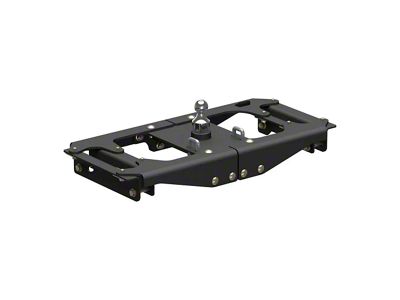
When you've moved up to hauling with the big boys, you need towing power that goes beyond the regular hitch and ball set-up. Heavy-duty towing gear allows you to tow impressively large loads, but before you hit the roads, you need to consider your options.
The most important thing to remember with any towing project is to never exceed the GTW of any component of your towing system. Before choosing which kind of heavy-duty hitch you will need, make sure to check the GTW of your truck to ensure that it is capable of a big job.
One you have confirmed that your rig is prepared to handle a heavy load; it's time to choose what system to use. Much of this decision will be based on what kind of trailer you are hauling and what kind of coupler it has. There are two main types of couplers that are used in heavy-duty towing.
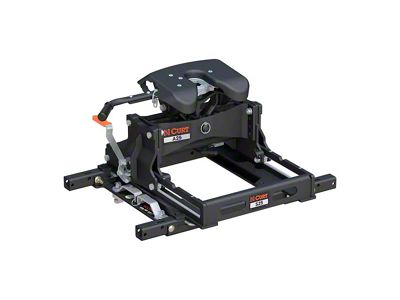
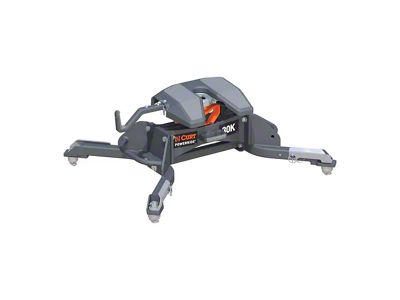
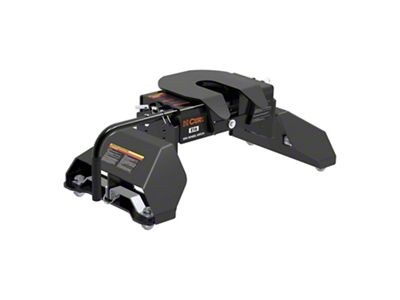
Fifth Wheel Hitch: A fifth wheel trailer uses the same basic system as those big semi's that you see on the highways. By mounting the hitch to the middle of the truck bed the vehicle is able to handle much larger trailers because the weight is distributed over the vehicles axels and not pulling off the back like a traditional receiver hitch. Fifth Wheel trailers have a u-shaped plate that a downward facing pin - called a kind pin - on the trailer rests on. The king pin is locked into position so that it secures the hitch but is still able to pivot when turning.
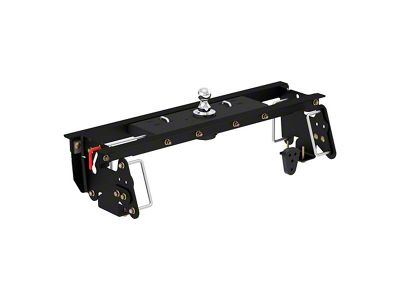
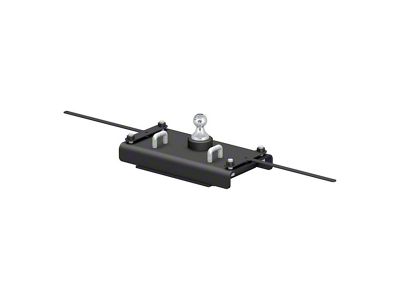
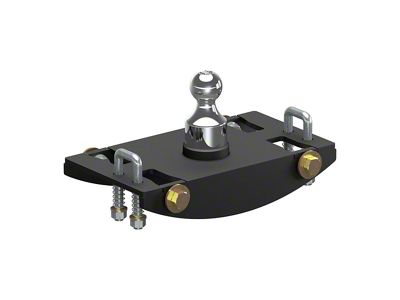
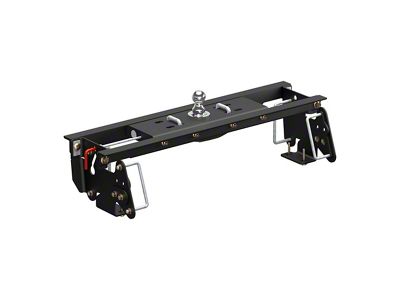
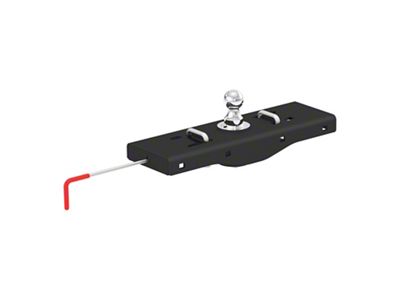
Gooseneck Hitch: The gooseneck hitch also extend from the center of your bed in order to accommodate heavier loads. The difference is that a gooseneck uses a hitch ball to anchor the trailer to the vehicle. Gooseneck hitches are popular not only for the added strength that they can carry, but also because the types of trailers they pull can make tighter turns than traditional receiver hitch trailers.
No matter which type of heavy-duty hitch you choose, remember to make sure that the weight when fully loaded doesn't exceed the rating of your tow vehicle or your hitch.
Gross Trailer Weight (GTW): The total weight of the trailer when it is loaded with cargo. This is measured by placing the fully loaded trailer on a vehicle scale.
Tongue Weight (TW): The amount of downward force that the coupler exerts on the hitch ball. This will vary depending on where the load is positioned over the trailer axel(s). You can measure the tongue weight of your trailer using a commercial scale. Or, a bathroom scale may be used as demonstrated. If you use the bathroom scale to measure tongue weight, multiply the scale reading by 3.
Weight Distribution (WD): By distributing the weight of the load more evenly across the trailer axels and tow vehicles front axle, weight distribution systems provide better steering, braking and level riding. They should only be used on Class III Towing Hitches and above receiver hitches and should not be used with surge brakes.
Sway Control: Works in conjunction with the weight distribution system to help reduce lateral movement of the trailer caused by wind. Not for use with class 1 or 2 receiver hitches or with surge brakes.
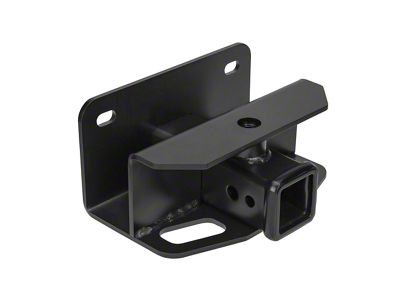
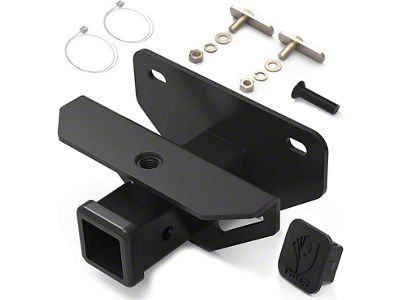
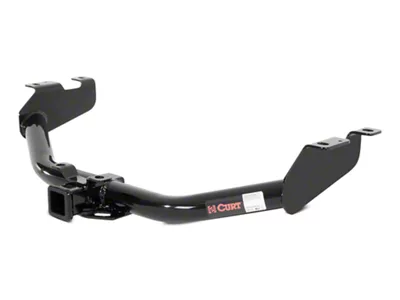
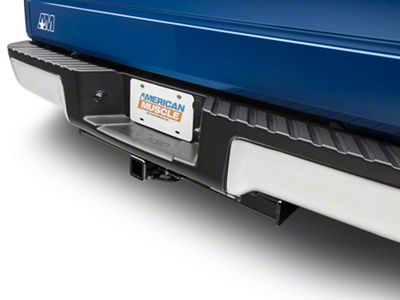
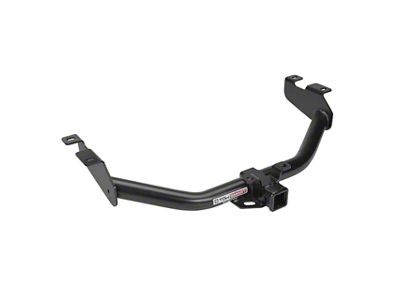
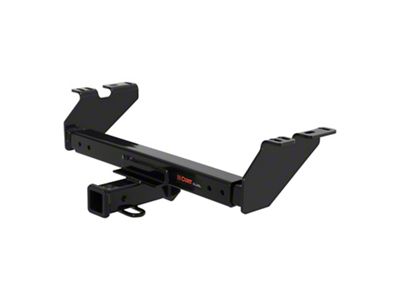
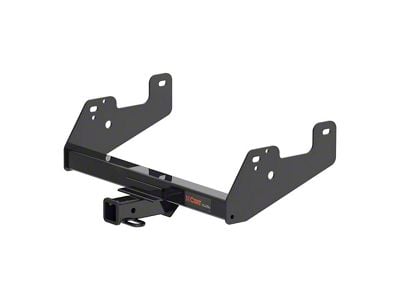
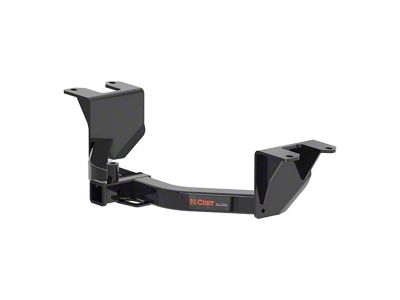
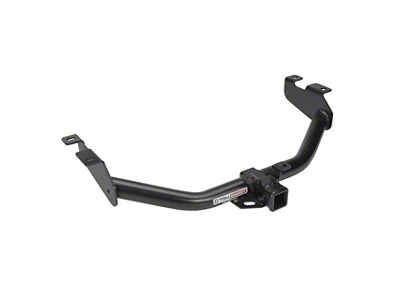
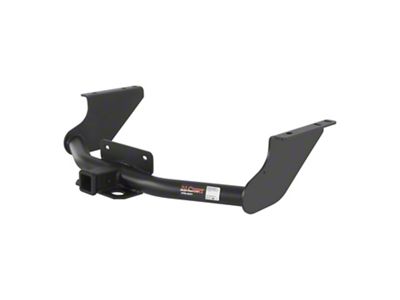
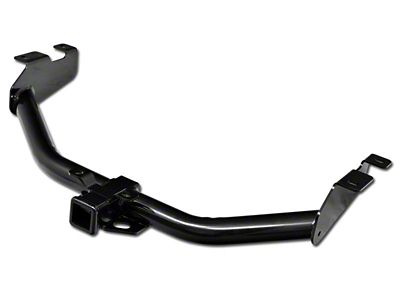
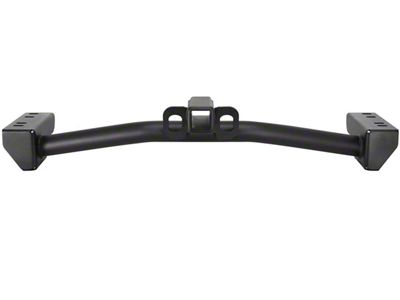
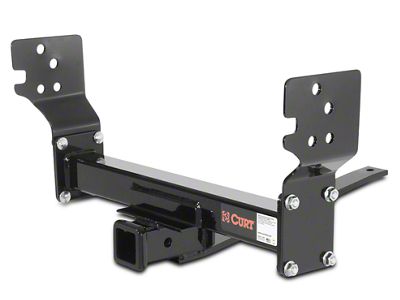
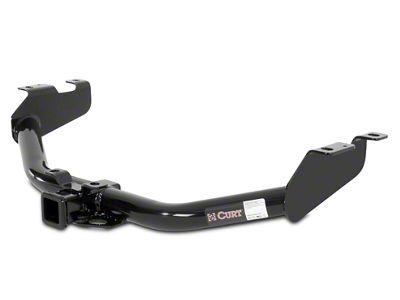
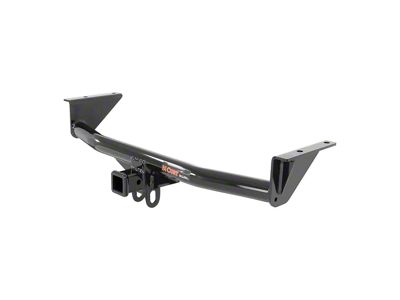
Receiver Hitch: Attaches directly to a vehicle in order to allow you to tow. Receiver hitches are available in 5 different classes that relate to the amount of weight they can carry. It is very important to never exceed the maximum towing capacity of any one part of your towing system. Receiver hitches come with either a receiver that is either 1" or 2" and holds things like ball mounts and bike racks. Or, a receiver hitch may have a fixed drawbar that only allows for adding a hitch ball.
Ball Mount: Placed inside a receiver hitch and secured using a hitch pin and clip. Ball mounts come in a variety of different options to help accommodate different trailer heights. The diagram below demonstrates how to calculate what drop or rise you need.
Brake Controller: An interface between your tow vehicle and electric trailer brakes. Brake controllers are placed inside the cab of the tow vehicle and come in a variety of different types.
Tow Rating: The figure released by the manufacturer that details the maximum trailer weight a vehicle can safely tow.
Base Curb Weight: The weight of an unloaded vehicle with a full fuel tank and standard equipment.